Korean Bibimbap
Highlighted under: Fusion Kitchen
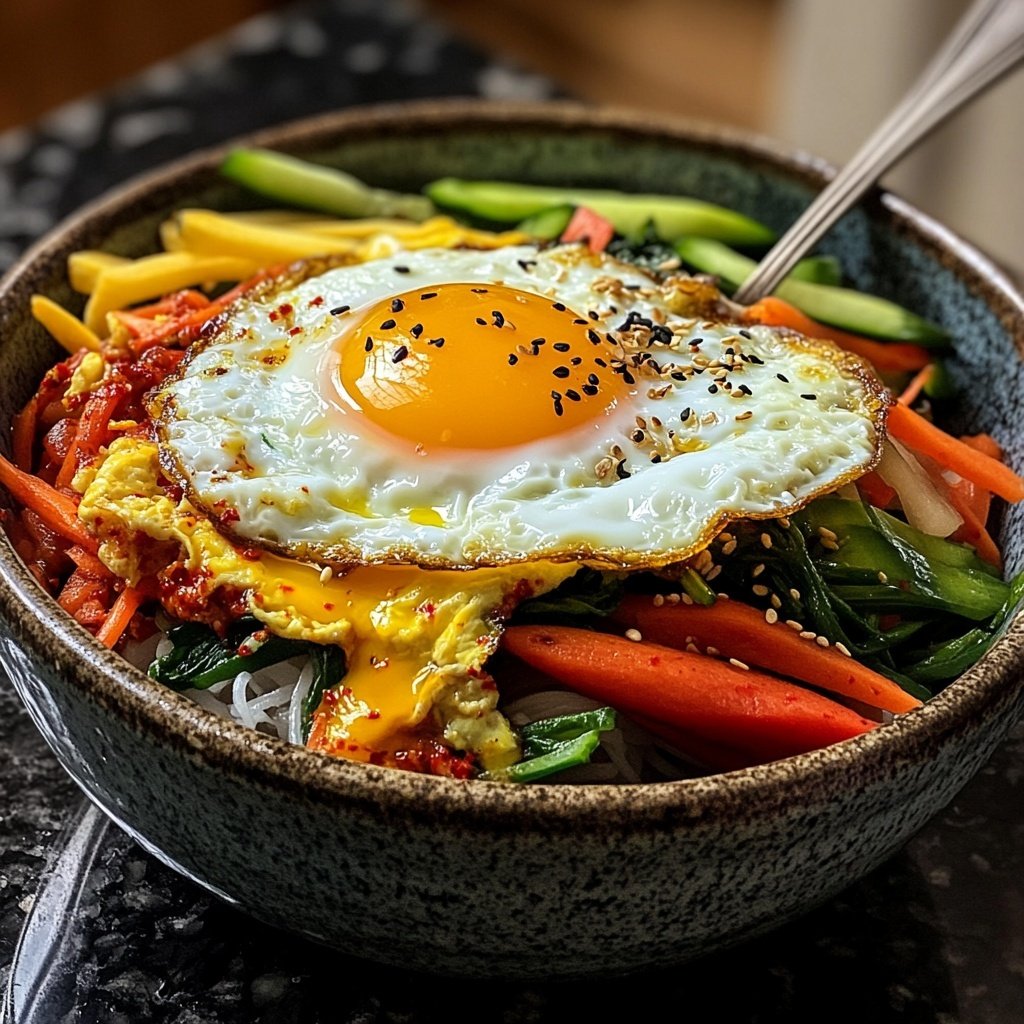
Korean Bibimbap is a vibrant and nutritious dish that beautifully combines rice with a variety of vegetables, meat, and a spicy sauce. It's perfect for a wholesome meal that is both satisfying and full of flavor.
Korean Bibimbap is a beloved dish that originated in Korea and is known for its colorful presentation and harmonious mix of flavors. This dish not only delights the palate but also provides a wholesome meal packed with nutrients.
Why You'll Love This Recipe
- A colorful medley of fresh vegetables
- Customizable with your choice of protein
- Deliciously spicy and satisfying
The Essence of Bibimbap
Bibimbap is not just a meal; it's a celebration of flavors and textures that reflect the heart of Korean cuisine. Traditionally served in a stone bowl, the dish features a base of warm, fluffy rice topped with an array of colorful vegetables, savory protein, and a perfectly cooked egg. Each ingredient is prepared with care, ensuring that the final dish not only looks vibrant but also bursts with taste. The combination of fresh ingredients makes bibimbap a wholesome choice for health-conscious diners.
One of the most appealing aspects of bibimbap is its versatility. You can mix and match ingredients based on your preferences or dietary restrictions. Whether you prefer beef, chicken, tofu, or just a variety of vegetables, bibimbap adapts to your taste. This flexibility allows you to experiment with different textures and flavors, making each serving a unique experience.
Nutritional Benefits
Korean bibimbap is not only delicious but also packed with nutritional benefits. The dish typically includes a variety of vegetables, which provide essential vitamins and minerals. Spinach, for instance, is rich in iron and antioxidants, while carrots deliver a boost of beta-carotene. These nutritious components contribute to a balanced meal that supports overall health.
Moreover, the addition of protein, whether from meat or tofu, helps to create a satisfying meal that keeps you feeling full for longer. The healthy fats from sesame oil and the nutrient-dense gochujang sauce add flavor while providing beneficial compounds. Overall, bibimbap is a dish that nourishes both the body and the soul.
Tips for the Perfect Bibimbap
To take your bibimbap to the next level, consider using short-grain rice, which is stickier and helps the ingredients hold together better. The texture of the rice is crucial for achieving the perfect bite. Also, don't skimp on the sesame oil; it adds a rich, nutty flavor that enhances the overall taste of the dish.
For an extra layer of flavor, try adding pickled vegetables or kimchi on the side. These tangy accompaniments complement the dish beautifully and add a delightful crunch. Finally, remember to mix everything together before eating to ensure you enjoy the harmonious blend of flavors in every bite.
Ingredients
For the Bibimbap
- 2 cups cooked short-grain rice
- 1 cup spinach, blanched
- 1 cup bean sprouts, blanched
- 1 carrot, julienned
- 1 zucchini, julienned
- 1 cup shiitake mushrooms, sliced
- 1 cup ground beef or tofu
- 4 eggs
- 2 tablespoons sesame oil
- Salt and pepper to taste
- Gochujang (Korean chili paste) for serving
Mix and match the vegetables based on your preference!
Instructions
Prepare the Vegetables
In a skillet, heat a tablespoon of sesame oil over medium heat. Sauté the zucchini, carrots, and mushrooms separately until tender. Season with salt and pepper. Set aside.
Cook the Meat
In the same skillet, add another tablespoon of sesame oil and cook the ground beef (or tofu) until browned. Season with salt and pepper.
Fry the Eggs
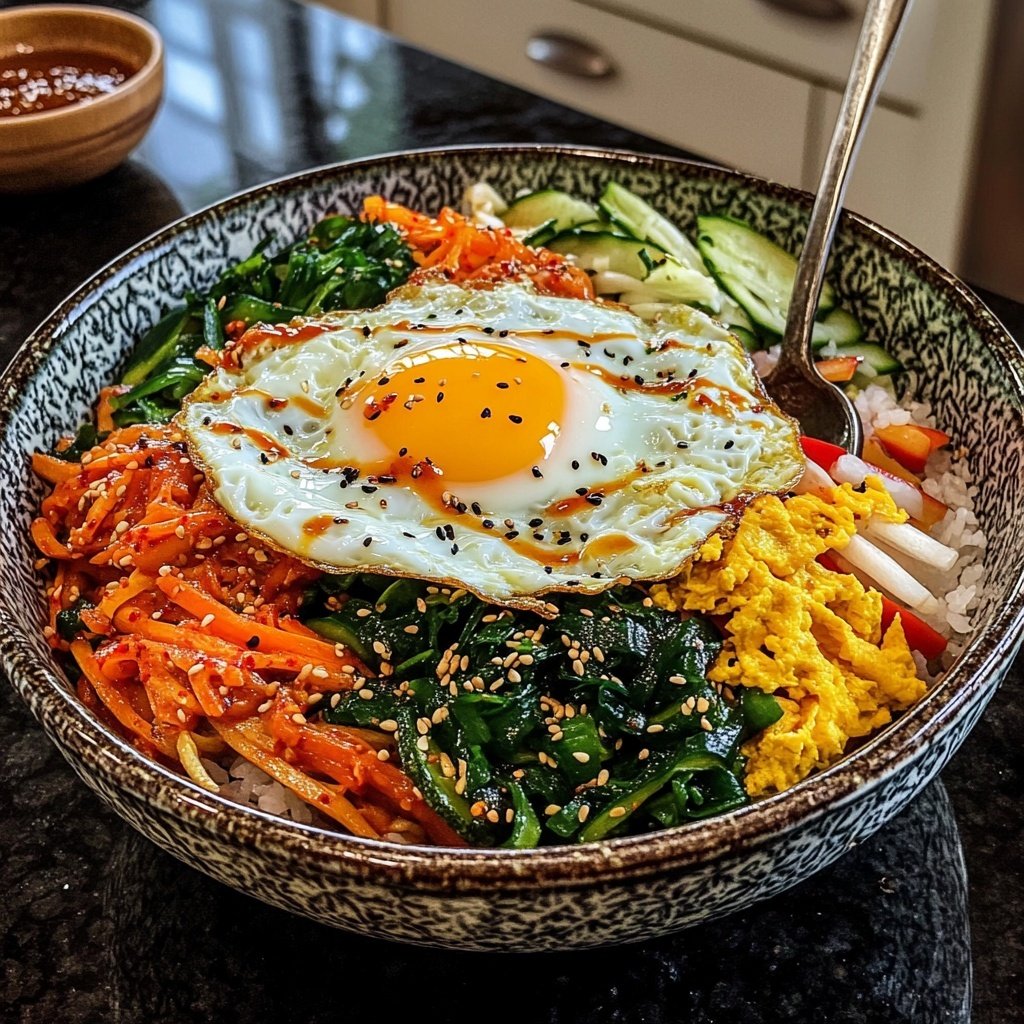
Fry the eggs sunny-side up in a separate pan, keeping the yolks runny.
Assemble the Bibimbap
In a bowl, place a serving of rice and arrange the sautéed vegetables, meat, and a fried egg on top. Drizzle with gochujang and additional sesame oil if desired.
Serve
Mix everything together before eating for a delicious blend of flavors!
Enjoy your homemade Korean Bibimbap!
Pro Tips
- Feel free to add other ingredients like kimchi or different vegetables to make it your own.
Serving Suggestions
Bibimbap is a wonderfully versatile dish that can be served as a main course or a side. When serving it as a main, consider pairing it with a refreshing cucumber salad or a warm bowl of miso soup. These light accompaniments enhance the meal without overshadowing the bibimbap's flavors.
If you're hosting a gathering, bibimbap can be a fun and interactive dish. Set up a bibimbap bar with various toppings and sauces, allowing guests to customize their bowls. This not only makes for an enjoyable dining experience but also showcases the dish's versatility.
Storing and Reheating
If you have leftovers, bibimbap can be stored in an airtight container in the refrigerator for up to three days. To keep the ingredients fresh, it's best to store the rice and toppings separately. When you're ready to enjoy the leftovers, simply reheat the rice in the microwave and warm the vegetables in a skillet until heated through.
Reheating the fried egg can be tricky; consider making a fresh one to serve on top of the reheated bibimbap for the best texture. This way, you'll have the perfect combination of flavors and textures, just as if it were freshly made!
Exploring Variations
While traditional bibimbap features specific ingredients, don't hesitate to explore variations that cater to your taste preferences. For a vegetarian version, substitute the meat with a variety of mushrooms or tempeh for added heartiness. You can also experiment with different sauces, such as a spicy miso or a tangy soy sauce, to create a unique flavor profile.
If you're looking for a lighter option, consider using cauliflower rice instead of traditional rice. This low-carb alternative allows you to enjoy the flavors of bibimbap while reducing your carbohydrate intake. The possibilities are endless, and the only limit is your imagination!
Questions About Recipes
→ Can I make Bibimbap vegetarian?
Absolutely! Just replace the beef with tofu or your choice of vegetables.
→ What can I serve with Bibimbap?
Bibimbap is often served with kimchi on the side for added flavor.
→ Can I prepare this dish in advance?
Yes, you can prepare the vegetables and meat ahead of time and assemble just before serving.
→ Is Bibimbap spicy?
It can be! The level of spiciness depends on how much gochujang you use.
Korean Bibimbap
Created by: Gemma Hollis
Recipe Type: Fusion Kitchen
Skill Level: Intermediate
Final Quantity: 4 servings
What You'll Need
For the Bibimbap
- 2 cups cooked short-grain rice
- 1 cup spinach, blanched
- 1 cup bean sprouts, blanched
- 1 carrot, julienned
- 1 zucchini, julienned
- 1 cup shiitake mushrooms, sliced
- 1 cup ground beef or tofu
- 4 eggs
- 2 tablespoons sesame oil
- Salt and pepper to taste
- Gochujang (Korean chili paste) for serving
How-To Steps
In a skillet, heat a tablespoon of sesame oil over medium heat. Sauté the zucchini, carrots, and mushrooms separately until tender. Season with salt and pepper. Set aside.
In the same skillet, add another tablespoon of sesame oil and cook the ground beef (or tofu) until browned. Season with salt and pepper.
Fry the eggs sunny-side up in a separate pan, keeping the yolks runny.
In a bowl, place a serving of rice and arrange the sautéed vegetables, meat, and a fried egg on top. Drizzle with gochujang and additional sesame oil if desired.
Mix everything together before eating for a delicious blend of flavors!
Extra Tips
- Feel free to add other ingredients like kimchi or different vegetables to make it your own.
Nutritional Breakdown (Per Serving)
- Calories: 500 kcal
- Total Fat: 20g
- Saturated Fat: 4g
- Cholesterol: 200mg
- Sodium: 600mg
- Total Carbohydrates: 60g
- Dietary Fiber: 5g
- Sugars: 5g
- Protein: 20g