Simple Cake Recipes For Beginners
Highlighted under: Simple Kitchen
I remember the first time I baked a cake; it was both thrilling and a bit nerve-wracking. With just a few basic ingredients, I discovered that making a cake doesn't have to be complicated or intimidating. These simple cake recipes are perfect for beginners, offering straightforward methods and delicious results. Whether you're marking a celebration or just want to indulge in something sweet, these recipes provide a delightful way to build your baking confidence. Let’s dive into the delightful world of baking cakes that even a novice can master!
Baking cakes has become one of my favorite pastimes, especially because it allows me to experiment with flavors. One of the first recipes I tried involved vanilla and chocolate, a classic combination that’s universally loved. I found that incorporating simple techniques, like gradually adding the eggs and ensuring my butter was at room temperature, made a significant difference in texture and lightness.
Over the years, I’ve learned to trust my instincts in the kitchen. One helpful tip I discovered is to let the cake cool properly before frosting—this prevents melting and allows for neat layers. Each try is a chance to improve, and I've ended up with some incredibly rewarding and tasty cakes!
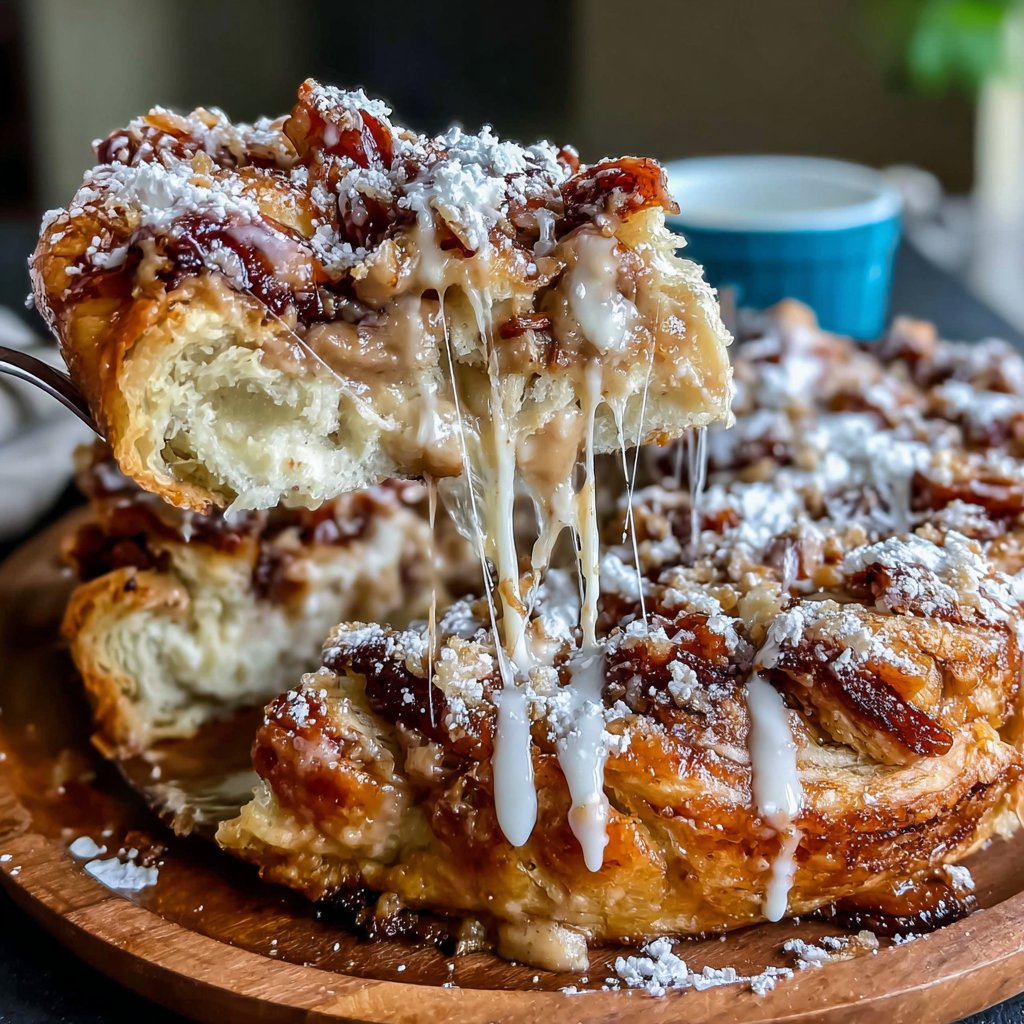
Why You Will Love This Recipe
- Quick and easy steps for stress-free baking
- Versatile recipes that you can customize with flavors
- Perfect base for creative decorations and toppings
Understanding Cake Ingredients
Each ingredient in this cake plays a crucial role in achieving the perfect texture and flavor. The all-purpose flour provides the structure, while the eggs act as a binding agent, adding moisture and richness. Butter contributes to the cake's tenderness, and sugar sweetens and helps with browning during baking. Missing any of these key ingredients or substituting them without understanding their functions can lead to unsatisfactory results, so it's essential to use them as specified in the recipe.
For beginners, measuring ingredients precisely is critical. Using a kitchen scale can help ensure accuracy, especially when measuring flour because too much can result in a dense cake. Similarly, scooping flour directly from the bag can introduce air and result in too little flour. I recommend spooning it into the measuring cup and leveling it off for the best outcome.
Baking Techniques to Master
Incorporating air into the batter through creaming butter and sugar is vital for a light and fluffy cake. It’s essential to beat the mixture until it appears pale and fluffy, which usually takes about 3-5 minutes. This process creates small air pockets that expand during baking, giving the cake its volume. Overmixing once flour is added can deflate these pockets, leading to a denser cake, so mix until you no longer see dry flour.
When baking, it’s important to rotate the cake pan halfway through the baking time for even cooking; ovens can have hot spots that cause uneven baking. Additionally, using an oven thermometer can ensure that your oven is at the right temperature, as inaccurate oven settings can result in cakes that are undercooked in the center or overcooked around the edges.
Ingredients
Gather the following ingredients to get started on your simple cake:
Basic Ingredients for Cake
- 2 cups all-purpose flour
- 1 ½ cups granulated sugar
- 1 cup unsalted butter, softened
- 4 large eggs
- 1 cup milk
- 2 ½ tsp baking powder
- 1 tsp vanilla extract
- ½ tsp salt
With these straightforward ingredients, you're well on your way to baking your first cake!
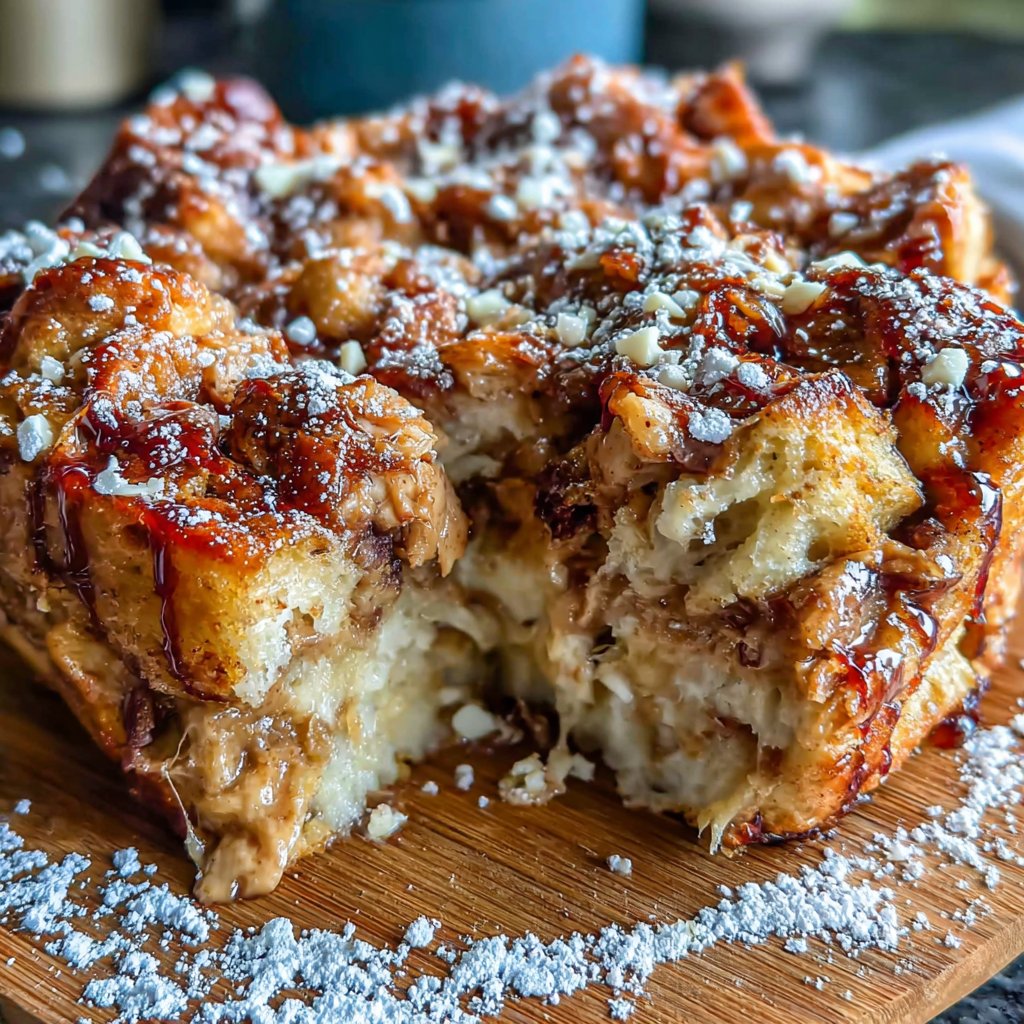
Instructions
Now that you have your ingredients ready, let’s walk through the steps to bake your simple cake:
Preheat the Oven
Begin by preheating your oven to 350°F (175°C). This ensures the cake bakes evenly.
Mix Dry Ingredients
In a bowl, combine flour, baking powder, and salt. Stir well to combine.
Cream Butter and Sugar
In another bowl, beat the softened butter and sugar together until light and fluffy.
Add Eggs and Vanilla
Add the eggs one by one, mixing well after each addition, and then stir in the vanilla extract.
Combine Mixtures
Gradually add the flour mixture to the wet ingredients, alternating with the milk, until just combined.
Bake the Cake
Pour the batter into a greased cake pan and bake for about 30 minutes or until a toothpick inserted comes out clean.
Cool and Frost
Allow the cake to cool in the pan for 10 minutes before transferring to a wire rack. Once cooled, you can frost it with your favorite icing.
After following these steps, you'll have a delicious cake ready to be enjoyed!
Pro Tips
- Remember to let your ingredients come to room temperature before starting. It helps ensure everything mixes seamlessly for a better cake texture.
Storage and Make-Ahead Tips
You can prepare the cake batter up to a day in advance and store it in the refrigerator until you are ready to bake. This is particularly useful if you plan to serve the cake for a special occasion. Just remember to bring the batter back to room temperature before pouring it into the pan and baking it, as cold batter can lead to uneven baking.
Once baked and cooled, store the cake in an airtight container at room temperature for up to three days, or refrigerate it for a week. If you need to keep it longer, consider freezing the unfrosted cake layers. Wrap them tightly in plastic wrap and foil, and they can be stored for up to three months. Thaw in the refrigerator overnight before frosting.
Serving Variations
While the base cake is delicious on its own, you can enhance its flavor by adding different extracts like almond or lemon in place of vanilla. For a chocolate cake, simply substitute ½ cup of flour for cocoa powder. You can also fold in fresh fruits, nuts, or chocolate chips into the batter for added texture and flavor.
Consider experimenting with toppings and fillings as well. A simple glaze made from powdered sugar and milk can add sweetness, or you can whip heavy cream to top the cake for a light touch. Fresh berries, chocolate ganache, or even a layer of fruit preserves between cake layers make for delightful servings that elevate this simple cake to a show-stopping dessert.
Questions About Recipes
→ Can I substitute ingredients in this recipe?
Yes, you can substitute the butter with oil, and non-dairy milk can be used instead of regular milk.
→ How can I know when my cake is done baking?
You can check by inserting a toothpick into the center; it should come out clean or with a few crumbs.
→ What can I use to frost the cake?
Cream cheese frosting, buttercream, or whipped cream are all excellent choices for frosting.
→ How should I store leftover cake?
Wrap it in plastic wrap or store it in an airtight container at room temperature for a few days.
Simple Cake Recipes For Beginners
Created by: Gemma Hollis
Recipe Type: Simple Kitchen
Skill Level: Beginner
Final Quantity: 8 servings
What You'll Need
Basic Ingredients for Cake
- 2 cups all-purpose flour
- 1 ½ cups granulated sugar
- 1 cup unsalted butter, softened
- 4 large eggs
- 1 cup milk
- 2 ½ tsp baking powder
- 1 tsp vanilla extract
- ½ tsp salt
How-To Steps
Begin by preheating your oven to 350°F (175°C). This ensures the cake bakes evenly.
In a bowl, combine flour, baking powder, and salt. Stir well to combine.
In another bowl, beat the softened butter and sugar together until light and fluffy.
Add the eggs one by one, mixing well after each addition, and then stir in the vanilla extract.
Gradually add the flour mixture to the wet ingredients, alternating with the milk, until just combined.
Pour the batter into a greased cake pan and bake for about 30 minutes or until a toothpick inserted comes out clean.
Allow the cake to cool in the pan for 10 minutes before transferring to a wire rack. Once cooled, you can frost it with your favorite icing.
Extra Tips
- Remember to let your ingredients come to room temperature before starting. It helps ensure everything mixes seamlessly for a better cake texture.
Nutritional Breakdown (Per Serving)
- Calories: 250 kcal
- Total Fat: 10g
- Saturated Fat: 6g
- Cholesterol: 40mg
- Sodium: 220mg
- Total Carbohydrates: 36g
- Dietary Fiber: 1g
- Sugars: 18g
- Protein: 3g